Our Difference: All projects include engineering assistance, delivery and installation.

-
Sales & Support Call Now: 559-354-6723
Our Difference: All projects include engineering assistance, delivery and installation.
Do I Need a Permit for a Metal Carport in California?
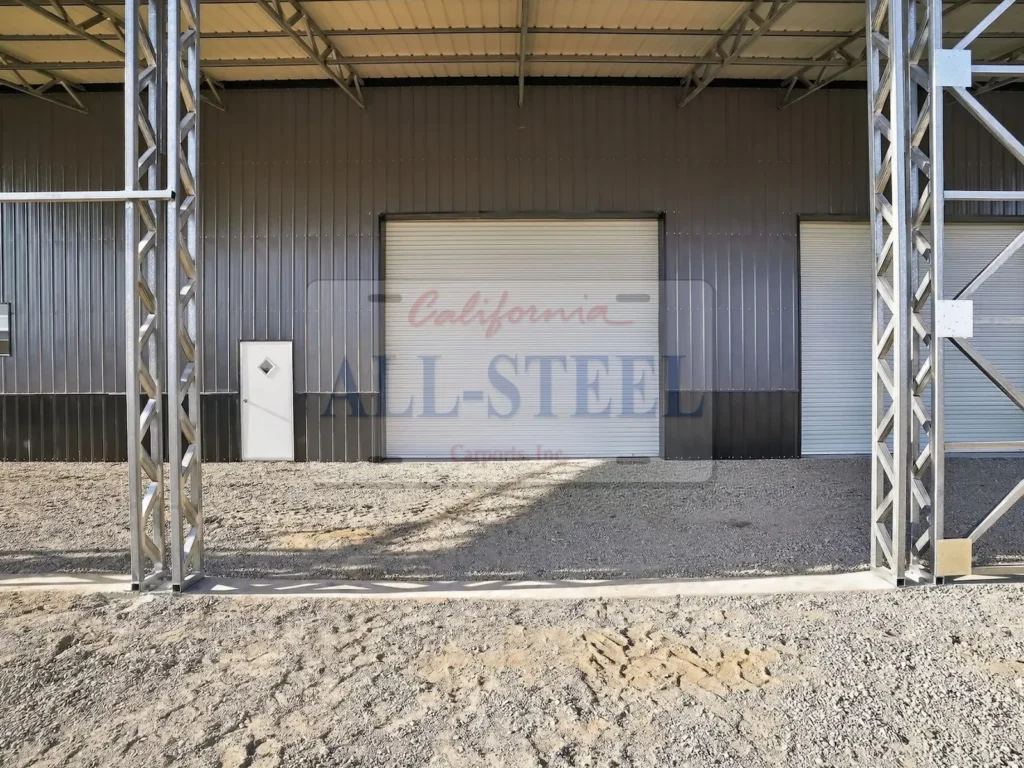
Most people asking this question are hoping the answer is no. The honest answer is: almost certainly yes — and skipping the permit isn’t worth the risk. California’s building code treats metal carports as permanent structures in most jurisdictions, which means the same permitting rules that apply to a garage addition or a storage building apply here too.
That said, the exact requirements depend on your specific county or city, the size of the structure, how it’s anchored, and a handful of environmental factors like wind and snow load. This guide covers what triggers a permit, what the process involves, what happens if you build without one, and how working with a licensed, certified builder like California All Steel simplifies the entire process.
The Short Answer: Yes, a Permit Is Almost Always Required
Under the California Building Code (Title 24), any structure permanently anchored to the ground is generally subject to building permit requirements. The City of San Diego, for example, requires a building permit for all new carports regardless of size, and most other California jurisdictions follow similar logic.
There are narrow exceptions. Santa Cruz County, for instance, exempts carport-style structures under 300 square feet that are covered with cloth or flexible plastic, do not exceed 12 feet in height, and have no associated electrical or plumbing. Some rural counties set a 120-square-foot threshold below which a permit may not be required. But these are exceptions, not the rule, and a permanent steel carport with concrete anchoring will exceed most exemption thresholds.
The safest approach: call your local Planning & Building Services Department before you order. Have your planned dimensions, intended location on the property, and roof style ready — that information is what they’ll ask for first.
What Triggers the Permit Requirement
Permit requirements are driven by a combination of structural and zoning factors. The most common triggers are:
- Footprint exceeds 120–200 sq. ft. Most jurisdictions require a permit for any accessory structure above this threshold.
- Permanent anchoring. If the carport is bolted to concrete or has a poured foundation, it’s considered a permanent structure.
- Height above 12 feet. Taller structures are automatically subject to permit review in most counties.
- Width above 30 feet. Wider structures typically require site-specific stamped engineering rather than generic plans.
- Location in high-load zones. High-wind, high-snow (Sierra foothills, Tahoe), or high-seismic areas trigger additional engineering requirements.
- Commercial use. Permits are almost always required for any commercial installation.
What the Permit Process Actually Looks Like
The permit process for a metal carport in California follows a standard sequence, though timelines and specific requirements vary by jurisdiction. Generally, you’ll move through these steps:
- Pre-check. Verify zoning, setbacks, lot coverage limits, easements, and whether your property falls in a special load zone.
- Application. Submit a building permit application to your local building department with the applicable fee.
- Plan submittal. Provide a site plan showing the carport’s location on the property, foundation or anchor details, structural plans, and engineering calculations. If your jurisdiction requires stamped plans, a licensed engineer must sign off.
- Review and approval. The building department reviews for code compliance. Standard reviews typically take a few weeks; high-load or complex sites can take longer.
- Inspection. Once the structure is installed, an inspector verifies that the work matches the approved plans.
Permit fees vary widely by location and project value — typically anywhere from $50 to several hundred dollars for a residential carport. Sites requiring engineer-stamped plans can add $1,000 or more in engineering fees.
When You’ll Need Engineer-Stamped Plans
For standard configurations — typically up to 30 feet wide and 12 feet tall — many California building departments accept generic engineer-approved plans that manufacturers provide. These are pre-calculated plans that cover common sizes and standard load conditions.
Site-specific stamped engineering is required when the structure exceeds those dimensions, is located in a higher-load zone, or when the jurisdiction simply demands it. Mountain and coastal regions — Tahoe, Shasta, Mendocino, Humboldt — frequently require stamped plans regardless of size. Planning for this early avoids costly redesigns and inspection delays.
This is one of the tangible advantages of working with a C-51 licensed contractor like California All Steel. Every project includes engineering assistance as part of the standard process — so you’re not scrambling to find an engineer after the fact or paying separately for plan preparation.
Setbacks, Height Limits, and Zoning Rules to Know
Even when a permit is approved, your carport must comply with local zoning rules that govern where on your property the structure can be placed. The most common restrictions are:
- Setbacks. Most jurisdictions require structures to be set back at least 4–5 feet from property lines. Some require more. Placing a carport too close to a property line is one of the most common permit rejection reasons.
- Lot coverage. Many cities cap the total percentage of a lot that can be covered by structures. Adding a carport may push you over that threshold if you already have a home, garage, and other outbuildings.
- Height limits. Accessory structures often have separate height limits from the primary dwelling. Confirm what’s allowed before finalizing your building dimensions.
- HOA rules. If your property is subject to a homeowners association, you’ll need to check their CC&Rs in addition to city or county requirements. HOA approval and building department approval are separate processes.
What Happens If You Build Without a Permit
Skipping the permit might seem like a way to save time or money, but the consequences in California are well-documented and often far more expensive than the permit itself.
Fines and stop-work orders. California’s Contractors State License Board treats failure to obtain a permit as a violation of Contractors License Law under Business and Professions Code sections 7110 and 7090. Fines for unpermitted work typically start at $500–$600 per violation and can escalate if not resolved within 30 days. Some jurisdictions impose daily fines for each day work continues after a stop-work order is issued.
Forced removal. If the structure doesn’t meet code, a building department can order it torn down. Getting a retroactive “as-built” permit is possible in many jurisdictions, but it typically comes with double or triple permit fees and requires the structure to pass a full inspection — which may require modifications or partial demolition.
Insurance denial. Most homeowner’s insurance policies exclude coverage for damage caused by or occurring in unpermitted construction. If a storm damages an unpermitted carport, or if someone is injured on the property, the insurer can deny the claim entirely.
Resale complications. Under California Civil Code § 1102 et seq., sellers must disclose known material defects — including unpermitted structures — through the Transfer Disclosure Statement. Failing to disclose can expose you to claims of fraud or misrepresentation. Buyers and their lenders will flag the issue during escrow, leading to price reductions, delays, or a collapsed sale.
How California All Steel Handles the Engineering Side
One of the most common friction points in the permitting process is assembling the structural documentation — the engineering plans, load calculations, and foundation specs that building departments require. For buyers who source a carport from a supplier and then hire a separate contractor, this coordination falls entirely on them.
California All Steel approaches it differently. As a C-51 licensed structural steel contractor, every project includes engineering assistance, delivery, and installation as part of the package. The company builds certified structures designed to meet California’s structural requirements — which means the documentation your building department needs is already part of the process, not an add-on you have to chase down.
If you’re planning a metal carport, triple-wide structure, or steel storage building and want to understand what’s required in your specific county, request a quote and their team can walk you through what the local permitting process looks like for your project.
Frequently Asked Questions
Can I build a small metal carport without a permit in California?
In most California jurisdictions, no — even small carports require a permit if they’re permanently anchored. Some rural counties have exemptions for structures under 120–300 square feet that are covered with flexible materials and not anchored with concrete, but a standard steel carport with post footings won’t qualify. Always verify with your local building department before purchasing.
How long does the permitting process take for a metal carport in California?
Standard reviews typically take a few weeks from application submission to approval. Projects in mountain or coastal zones requiring stamped engineering plans can take longer. Starting the permit process before your building is ordered — rather than after — prevents delays in your installation schedule.
What documents do I need to apply for a carport permit in California?
Most building departments require a completed permit application, a site plan showing the carport’s location relative to property lines and existing structures, foundation and anchor details, and structural plans with engineering calculations. Some jurisdictions require engineer-stamped plans; others accept generic manufacturer-provided plans for standard-size structures.
Does my HOA approval replace the building permit?
No. HOA approval and building department approval are separate and independent. Getting HOA sign-off does not satisfy permit requirements, and vice versa. You need both if both apply to your property.
Can I get a retroactive permit if I already built without one?
In many California jurisdictions, yes — this is called an “as-built” or retroactive permit. However, the fees are typically double or triple the standard rate, the structure must pass a full inspection, and any non-compliant elements may need to be modified or removed. It’s almost always less expensive and less disruptive to permit the project upfront.
The Bottom Line
For the vast majority of California homeowners, the answer to “Do I need a permit for a metal carport?” is yes. The permit exists to verify that your structure is anchored correctly, positioned legally on your property, and built to withstand California’s wind, seismic, and snow conditions — all of which directly affect how long your carport lasts and whether it’s covered if something goes wrong.
The process is more manageable than most people expect when you’re working with a licensed contractor who handles the engineering documentation as part of the project. If you’re in the early planning stages, starting with a quote is the right first step — it gives you the building specs you’ll need to confirm requirements with your local building department.


Leading West Coast Manufacturer Of Carports and Steel Buildings
Steel Structures
Quick Links
Contact Us
- 85 Santa Fe Ave Fresno CA 93721
- 559-354-6723
All Rights Reserved ® California All Steel | Privacy Policy