Our Difference: All projects include engineering assistance, delivery and installation.
-
Sales & Support Call Now: 559-354-6723
Our Difference: All projects include engineering assistance, delivery and installation.
California Metal Building Financing Options For Your Next Project
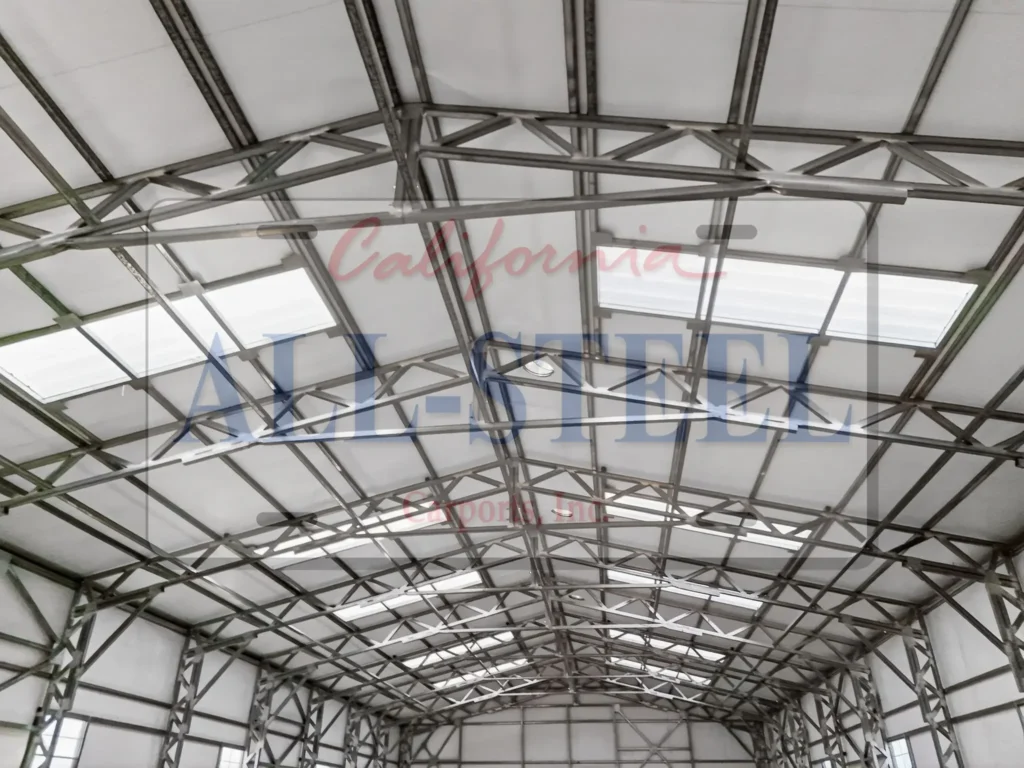
A metal carport, storage building, or steel barn is one of the most cost-effective structures you can add to a property — but like any major purchase, the upfront cost can give people pause. The good news is that metal building financing has expanded significantly over the past several years, and California residents have more options than most people realize. Whether you’re a homeowner looking to protect your vehicles, a rancher who needs agricultural storage, or a business owner planning a clear span commercial structure, there’s a financing path built for your situation.
This guide walks through the most common metal building financing options available across the U.S. — all of which serve California residents — and explains what to look for in each one before you apply.
- Personal loans through specialized lenders
- Home equity loans and HELOCs
- Cash-out refinancing
- Construction loans
- SBA loans
- Local credit unions and community banks
Personal Loans Through Specialized Lenders
For most residential buyers, a personal loan through a home improvement lender is the fastest and most straightforward path. These loans are unsecured — meaning they don’t require you to put up your home as collateral — and funds are typically distributed directly to you rather than to the contractor.
HFS Financial, one of the most widely used lenders in the metal building space, operates a home improvement loan platform that connects borrowers with personal loans requiring no home equity. Programs currently carry rates starting at 7.8% fixed, with terms from one to twenty years and no prepayment penalties. Checking your rate with HFS does not impact your credit score, which makes it a low-risk first step for anyone exploring their options.
HFS Financial serves California homeowners statewide, with loan amounts ranging from $1,000 to $450,000 for home improvement projects. No home equity is required, no collateral is needed, and the application takes just minutes. Funds are distributed directly to the borrower, giving you full control over how and when you spend.
This type of financing works especially well for carports, storage buildings, triple-wide structures, and residential barns — the kinds of projects where you know your total cost upfront and want a fixed, predictable monthly payment.
Home Equity Loans and HELOCs
If you’ve built up equity in your California property, tapping that equity is often the least expensive way to finance a metal building. Two common vehicles for doing this are home equity loans and home equity lines of credit (HELOCs).
A home equity loan gives you a lump sum at a fixed interest rate — simple and predictable. A HELOC, by contrast, works more like a credit card tied to your home, letting you draw funds as needed and pay interest only on what you use. This makes it a flexible option for phased projects or builds where the final cost isn’t fully known at the start.
The tradeoff with both options is that your home secures the loan. HELOC interest rates are typically variable, and while some lenders cap annual rate increases at around 2%, even that can add meaningfully to your payments over time. For buyers who want to preserve their home equity and avoid that risk, an unsecured personal loan is usually the better fit.
Cash-Out Refinancing
Cash-out refinancing lets you replace your existing mortgage with a new, larger one and pull the difference in cash. This can be a smart move when current interest rates are lower than your existing loan, allowing you to fund your metal building project while potentially reducing your monthly payment at the same time.
This route involves a full mortgage refinance, so it comes with closing costs and a longer approval timeline than a personal loan. It works best for larger projects — commercial structures, clear span buildings, or agricultural facilities — where the loan amount justifies the process.
Construction Loans
Construction loans are short-term loans designed specifically for building from the ground up. They’re interest-only during the construction period and are best suited to projects where you’re working with a licensed contractor and planning a significant structure. Once construction is complete, the loan is typically either paid off or converted into a longer-term mortgage.
Because California requires engineering stamps and permits on most metal structures, having a licensed contractor in place — like a C-51 certified builder — is important not just for permitting but for qualifying for a construction loan in the first place.
SBA Loans for Business and Agricultural Buyers
If your metal building is for commercial or agricultural use, Small Business Administration loan programs are worth a close look. The SBA 7(a) loan program is the agency’s primary vehicle for providing financial assistance to small businesses and can be used for acquiring, refinancing, or improving real estate and buildings. The maximum loan amount is $5 million.
The SBA 504 program is particularly well-suited to metal building projects. It finances up to 90% of project cost at below-market rates, with the borrower putting down 10%, a conventional bank financing 50%, and the SBA covering the remaining 40% through a certified development company. Terms run 20 to 25 years. The paperwork is more involved than a personal loan, but for larger commercial structures the interest savings over the life of the loan can be substantial.
California businesses are active SBA borrowers — in 2025 alone, California businesses received over $4.39 billion in SBA 7(a) loan approvals across more than 8,400 businesses, with 196 active SBA lenders competing in the state.
Local Credit Unions and Community Banks
Local credit unions and banks often provide lower rates, more personalized service, and simpler approval processes than national lenders. If you already have a relationship with a local institution, they’re a strong place to start when exploring metal building financing.
This is especially true for agricultural buyers in the Central Valley and surrounding regions, where credit unions often have specific programs for farm structures, equipment storage, and ranch facilities. A conversation with your existing banker can surface options that aren’t visible through an online search.
What California All Steel Offers
California All Steel works directly with HFS Financial to offer customers a financing path built specifically around metal building projects. Through this partnership, customers can access flexible payment plans with no money down, no equity or appraisal required, no stage funding, and terms up to 20 years — with direct-to-consumer funding and no early payoff penalty.
This option is available to California residents and can be applied for directly through the California All Steel website. It’s designed to make the process as frictionless as possible — from quote to financing to installation, without the delays that come with conventional lending.
If you’re weighing your options and want to understand what a monthly payment might look like for a specific building, contact California All Steel for a quote and their team can walk you through what financing looks like for your project.
Frequently Asked Questions
Can I finance a metal carport in California with no money down?
Yes. Certain personal loan programs — including the HFS Financial option offered through California All Steel — require no down payment and no home equity. Approval is based on creditworthiness.
What credit score do I need to finance a metal building?
It varies by lender and program. Some personal loan programs work with credit scores as low as 560, while SBA loans and HELOCs typically require stronger credit profiles. Checking your rate with a lender like HFS does not impact your score.
How long are typical metal building loan terms?
Personal loans through specialty lenders like HFS Financial run up to 20 years with fixed rates. SBA 504 loans can extend to 25 years. Construction loans are typically short-term (12 months) and either paid off or converted at completion.
Are metal buildings eligible for SBA financing?
Yes, if the structure is for commercial or agricultural use. The SBA 7(a) and 504 programs both cover building acquisition, construction, and improvement for qualifying small businesses.
Choosing the Right Option
The right financing path depends on a few key variables: the size of your project, whether it’s for residential or commercial use, how much home equity you’ve built, and your credit profile. For most residential carport or storage building buyers, a no-equity personal loan through a specialty lender like HFS is the simplest and fastest route. For commercial or agricultural structures in the six-figure range, SBA programs or construction loans may deliver better long-term value.
What all of these options have in common is that they make it possible to move forward without waiting until you’ve saved the full purchase price in cash. A metal building is a durable, long-term asset — and the right financing lets you start protecting your vehicles, equipment, and property now rather than years from now.


Leading West Coast Manufacturer Of Carports and Steel Buildings
Steel Structures
Quick Links
Contact Us
- 85 Santa Fe Ave Fresno CA 93721
- 559-354-6723
All Rights Reserved ® California All Steel | Privacy Policy