Metal Building Home Pros and Cons: A Complete Guide Before You Build
If you’re considering a metal building home, you’ve probably already looked into it a bit. Maybe you’ve seen examples online, stepped inside a barndominium, or started weighing it against a traditional build. The appeal is easy to understand: durability, lower maintenance, and a structure that’s built differently from the standard wood frame. But there are also real questions that come with it. Cost, insulation, financing, resale. Not everything is as straightforward as it first seems.
This guide is here to walk through both sides clearly. What works well, what requires more planning, and what tends to catch people off guard.
With over 20 years of experience working on steel structures across the West Coast, we’ve seen how these homes perform in real conditions. The goal here is to give you a practical, experience-based view so you can decide if it’s the right fit for your situation.
Here’s what to know before you build.
What Is a Metal Building Home?
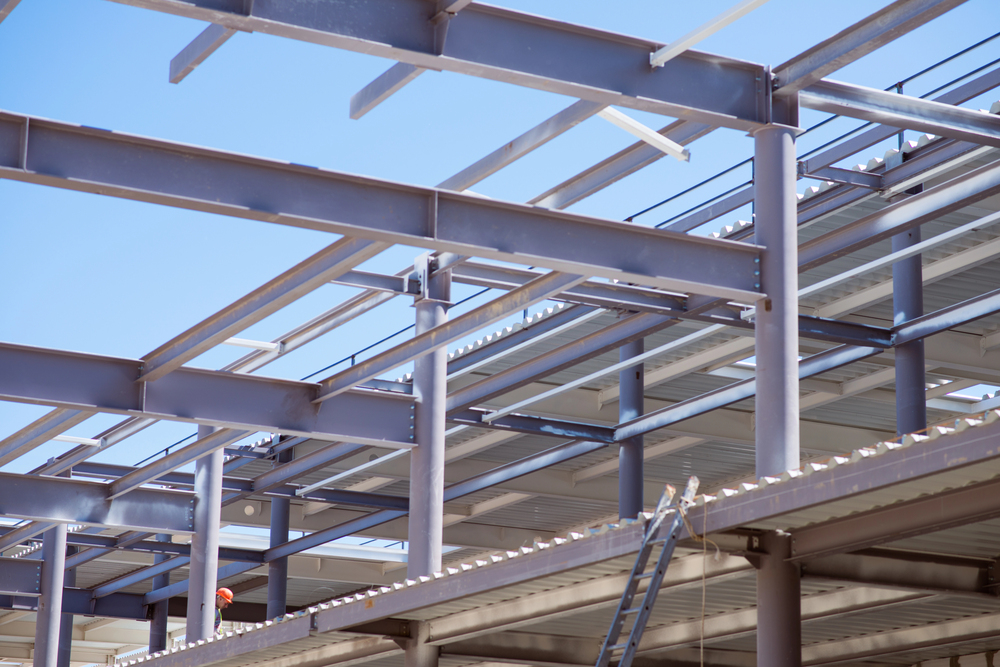
A metal building home uses a structural steel frame, typically a rigid frame or cold-formed steel, as its core skeleton. The roof and exterior walls are clad in metal panels, while the interior is finished just like any traditional home: drywall, insulation, plumbing, HVAC, and whatever finishes suit your style.
Whatever the format, the foundation is the same: steel structure, finished living space, built to code.
The Pros of a Metal Building Home
Built to Outlast Traditional Construction
Steel doesn’t rot, warp, crack, or attract termites. Unlike wood-framed homes, which can deteriorate over time due to moisture, pests, and weather exposure, a properly built steel structure maintains its integrity for decades.
This is especially relevant on the West Coast. California’s climate includes intense sun exposure, coastal salt air, seismic activity, and seasonal rain. Steel performs consistently across these conditions, making it a reliable long-term structural choice.
Lower Lifetime Maintenance Costs
Upfront costs often get the most attention, but long-term maintenance is where metal building homes tend to stand out.
There’s no need to replace termite-damaged framing or deal with rotting siding. Issues like mold from prolonged moisture exposure are also less common when properly built.
Routine maintenance still exists, such as checking for corrosion at fasteners or resealing joints, but overall upkeep is typically less frequent and less costly than with traditional wood construction. Over time, that difference can be significant.
Faster Build Time
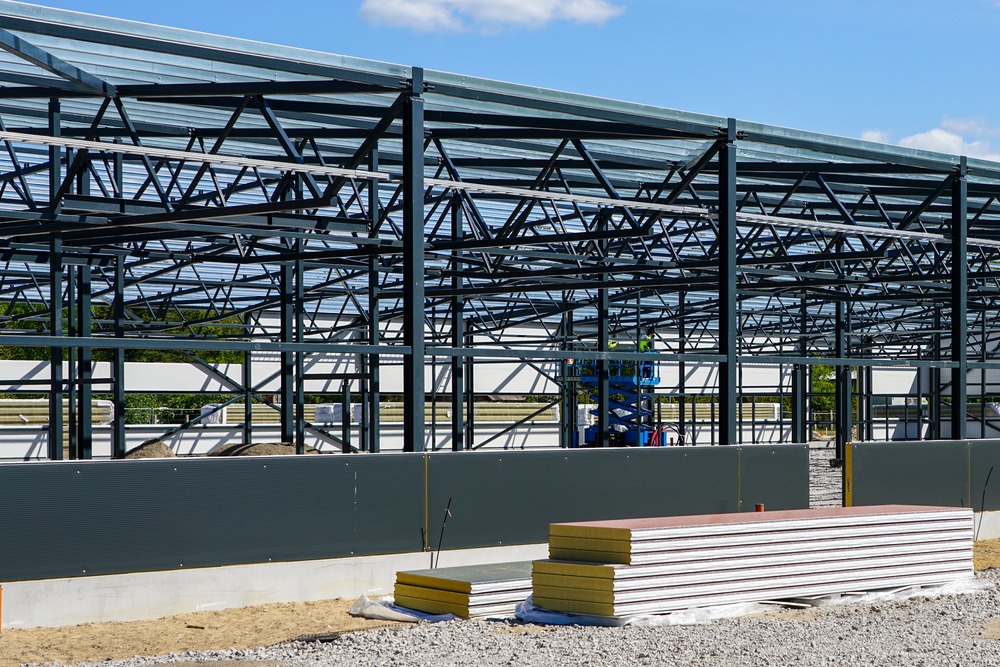
Most metal building homes use prefabricated components that are manufactured before delivery. Once the foundation is ready, the structural frame can be assembled relatively quickly.
Compared to stick-built construction, this often means shorter build timelines, fewer weather-related delays, and more predictable scheduling. For homeowners working within a set timeframe, this can be a practical advantage.
Open Floor Plans and Customization
Steel allows for clear-span construction, meaning fewer or no interior load-bearing walls are required. This creates more flexibility in how the space is designed.
Open layouts, higher ceilings, and larger window openings are easier to achieve without structural constraints. This can be especially useful for homeowners who want a combination of living space and functional areas like workshops or studios.
Fire, Pest, and Weather Resistance
Steel is non-combustible, which means it does not contribute fuel in the event of a fire. It also does not provide a food source or nesting material for termites, rodents, or other pests that commonly affect wood structures.
In areas prone to high winds or seismic activity, steel buildings can be engineered to meet strict load requirements. This adds an extra level of structural reliability, particularly in regions like California.
Potential Insurance Savings
Because of their resistance to fire, pests, and structural damage, metal building homes may qualify for lower insurance premiums compared to traditional wood-framed homes.
Savings will vary depending on location, provider, and coverage details, but it’s worth requesting quotes for both construction types when planning your project.
The Cons of a Metal Building Home
There are a few important considerations that come with metal building homes. None of these are necessarily dealbreakers, but they can affect your budget, timeline, and overall experience if not planned for early.
Upfront Costs Can Be Higher Than Expected
The steel building kit itself is often priced competitively with traditional framing materials. However, the total project cost can increase once you account for the full scope of the build.
This includes the foundation, insulation system, interior finishes, mechanical systems, and site preparation. Many first-time buyers focus on the shell price and underestimate the complete cost.
A detailed, itemized budget from the beginning helps avoid surprises and gives a more accurate picture of the total investment.
Financing Isn’t Always Straightforward
Financing can be more complex compared to conventional homes. Some lenders are less familiar with metal building homes, and certain loan programs, including FHA, may have limitations depending on how the home is classified and appraised.
That said, financing options have improved in recent years. Construction-to-permanent loans, local banks, and lenders experienced with non-traditional builds are becoming more common.
Clear documentation, including engineered plans, material specifications, and a realistic budget, can help streamline the approval process. It’s generally best to speak with lenders early, before finalizing your design.
Permitting and Zoning Vary by Area
Building requirements for metal homes can vary significantly depending on location. Some jurisdictions have clear guidelines, while others may require additional documentation or design adjustments.
In certain areas, zoning classifications and building codes were not originally written with metal homes in mind, which can add time to the approval process.
Understanding local requirements early and working with professionals familiar with regional codes can help prevent delays.
Insulation and Thermal Bridging Require Attention
Steel conducts heat and cold more efficiently than wood, which means insulation plays a critical role in comfort and energy efficiency.
Without a properly designed insulation system, temperature control can become more difficult and energy costs may increase.
Solutions such as spray foam insulation, continuous rigid insulation, and hybrid systems can address this effectively, but they need to be planned as part of the overall design. Details like window and door sealing, slab insulation, and moisture control also contribute to long-term performance.
Resale Value Depends on the Market
Resale value can vary depending on location and buyer familiarity with metal building homes.
In areas where these homes are common, demand is often strong. In other markets, buyers may be less familiar, which can affect how quickly a property sells.
That said, increasing interest in barndominiums and steel-framed homes is gradually improving market acceptance. Factors such as build quality, finishes, and proper documentation play a significant role in how the home is valued.
How Much Does a 40×60 Metal Building Home Cost With a Slab?
This is one of the most common questions, and the answer depends on several factors, including materials, finishes, and site conditions.
For a 40×60 metal building home (approximately 2,400 sq ft) in California, here’s a general cost breakdown:
Steel building kit: $20,000 to $45,000 Varies based on manufacturer, steel gauge, and included components
Concrete slab foundation: $15,000 to $30,000 Depends on soil conditions, reinforcement requirements, and labor costs
Insulation system: $8,000 to $18,000 Based on insulation type and overall energy-efficiency goals
Interior finishing (basic to mid-range): $40,000 to $90,000+ Includes drywall, flooring, cabinetry, fixtures, and more
Site prep, permits, and engineering: $10,000 to $25,000 Covers grading, utilities, plans, and approvals
It’s also important to note that construction costs in California are typically higher than the national average due to labor rates and permitting requirements. Because of this, general per-square-foot estimates from other states may not reflect your actual costs.
These figures are best used as a starting point. A detailed, project-specific estimate will give you a more accurate understanding of the total investment.
What Are the Disadvantages of Metal Building Homes?
The main disadvantages of metal building homes generally come down to planning, financing, and market factors. Here’s a straightforward breakdown:
Financing complexity: Some lenders are less familiar with metal homes, and certain loan programs, including FHA, may not apply depending on how the property is classified
Permitting variability: Local building codes and zoning regulations can differ widely, and some areas may require additional documentation or approvals
Insulation requirements: Steel conducts heat and cold more efficiently than wood, so proper insulation design is essential for comfort and energy efficiency
Resale variability: Demand for metal homes depends on the local market, which can affect how quickly a property sells and how it is valued
Expansion considerations: Adding onto a metal building is possible, but it requires planning during the initial design to avoid structural limitations later
Overall, these challenges are manageable with proper planning, clear documentation, and an understanding of local requirements before construction begins.
Are Metal Building Homes Worth It?
For the right buyer, they can be a strong long-term option.
Metal building homes tend to make the most sense for homeowners who prioritize durability, lower maintenance, and structural performance over time. In regions like the West Coast, where buildings are exposed to sun, moisture, and seismic conditions, steel can offer practical advantages over traditional wood framing.
That said, they’re not the right fit for every situation. The upfront process often requires more planning, particularly when it comes to financing, permitting, and design decisions. These factors can add time and complexity compared to a conventional build.
When properly designed and constructed, a metal building home can offer long-term value through reduced maintenance, structural longevity, and flexible design options. The overall experience, however, depends heavily on planning, execution, and understanding local requirements.
Thinking About Building a Metal Home?
By now, you should have a clearer picture of what metal building homes offer, where they perform well, and what requires more planning upfront. For some homeowners, the durability, flexibility, and long-term cost advantages make it an easy decision. For others, factors like financing, permitting, or resale may carry more weight.
If you’re seriously considering this route, the next step isn’t committing; it’s getting clarity on what your specific project would look like. Costs, timelines, and requirements can vary quite a bit depending on your location, land, and design goals.
California All Steel is a C-51 licensed steel contractor working with homeowners across the West Coast. We handle projects from initial design and engineering through permitting and installation, with a focus on building to code and planning projects realistically from the start.
If you want a clearer idea of what’s possible for your property, you can request a project estimate or start a conversation about your plans. Contact us and get a detailed breakdown based on your location and goals.
Frequently Asked Questions
How long do metal building homes last?
Metal building homes can last 50 years or more when properly constructed and maintained. Steel does not rot or warp like wood, which helps preserve structural integrity over time. Longevity ultimately depends on factors like installation quality, insulation, and ongoing maintenance.
Are metal building homes energy efficient?
They can be very energy efficient when properly insulated. Because steel conducts heat and cold, the insulation system plays a major role. With solutions like spray foam or continuous insulation, metal homes can perform as well as or better than traditional homes in terms of energy use.
Do metal homes rust over time?
Modern metal buildings are designed to resist corrosion. Most use galvanized or coated steel that protects against rust. However, regular maintenance, such as inspecting fasteners and sealing exposed areas, helps prevent long-term issues.
Can you customize the design of a metal building home?
Yes. Metal building homes offer a high level of design flexibility. Clear-span construction allows for open layouts, and interiors can be finished just like traditional homes. Exterior styles can also be customized to match different architectural preferences.
Are metal building homes safe in earthquakes?
Steel structures are often well-suited for seismic conditions because of their strength and flexibility. When engineered properly to meet local building codes, metal homes can perform well in earthquake-prone areas like California.
Do metal homes require special maintenance?
Maintenance is generally lower than with wood-framed homes, but it is not completely eliminated. Periodic inspections for corrosion, sealant wear, and roof condition are recommended to keep the structure in good shape.
Are metal building homes louder during rain?
Noise levels depend on insulation and interior finishing. With proper insulation and drywall, most homeowners report little to no difference compared to traditional homes. Poorly insulated structures, however, may amplify sound.
Protect your vehicles, RVs, and boats with premium-grade steel carports. Custom sizing, and fast delivery. Financing available! Get your free quote today.