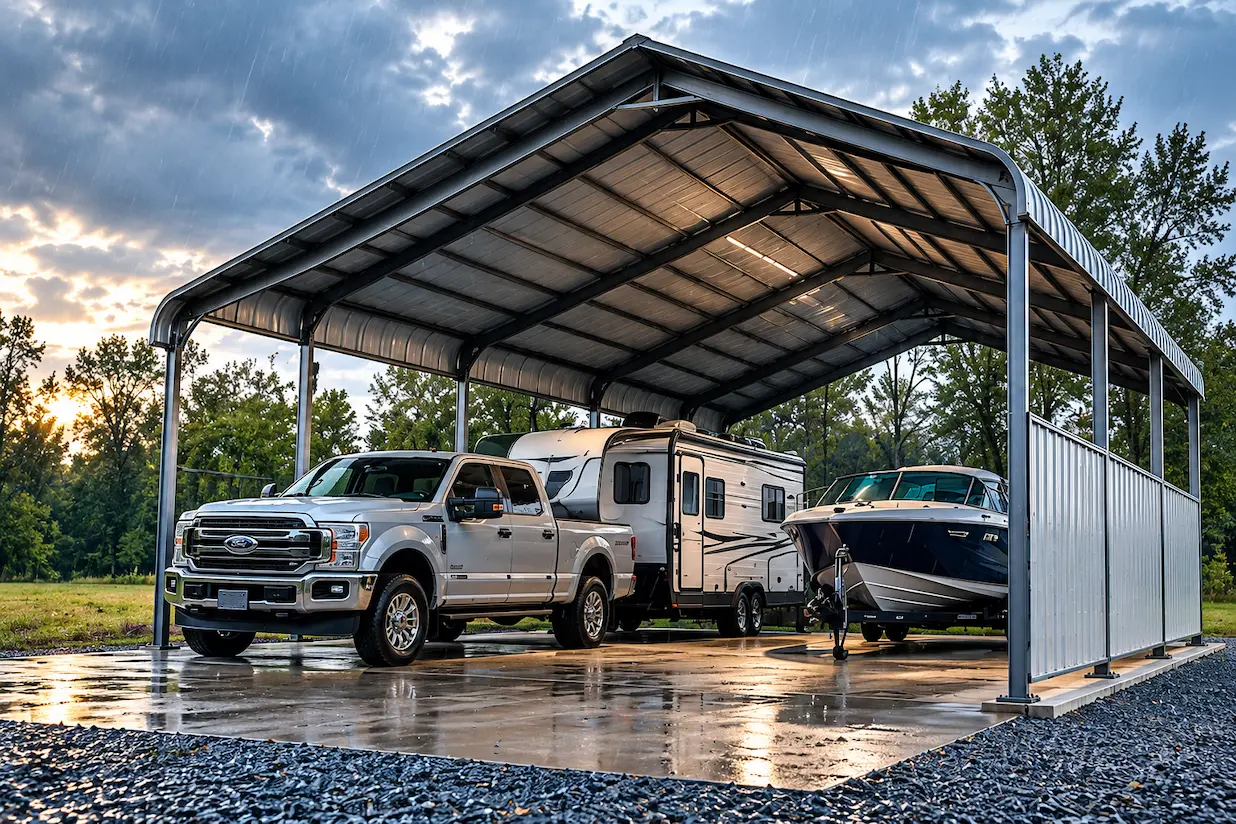
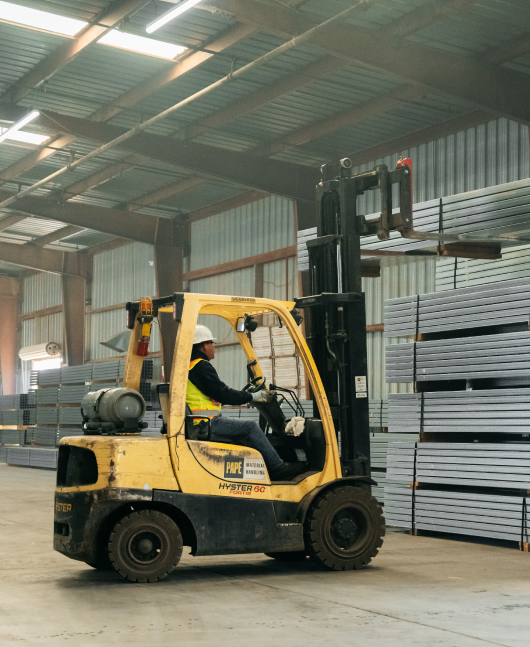
A photo can help identify where a part belongs, but it rarely provides enough information to order the right replacement. Panel profile, length, connection details and the original building design all matter.
Use this metal building parts list as a way to organize a quote request. It is a list of categories to confirm with the supplier, rather than an assembly guide or a universal bill of materials. New buildings and repairs need parts specified for the particular project.
Start with the building information
For an existing structure, gather the original drawings, manufacturer information and order details if you have them. Photograph the whole building and then the affected area from several angles.
Record what you are trying to achieve: replace a damaged panel, match existing trim, add an opening or obtain components for a new project. Include the site location and any available part markings.
If the original information is missing, say so. A supplier can then explain what measurements or professional assessment are needed rather than working from an uncertain identification.
Structural framing and connections
The frame includes the members and connections that support the building. The names and arrangement of those members vary with the system.
California All Steel’s components page lists light-gauge structural steel framing, eave struts and anchor bolts among its component categories. Ask which items are appropriate and available for the specific project.
Do not substitute framing or connections based only on a similar appearance. For damaged structural members, new openings or a change in loading, get the manufacturer or project engineer involved before ordering or modifying anything.
Roof and wall panels
For panel enquiries, provide the panel profile, length, width information and finish details available from the original documentation. Include photographs of the panel edges and how the panels meet adjacent parts.
Ask the supplier which measurements they need before removing a sample or taking dimensions at height. A safe, professional inspection may be the right way to gather information.
Also identify whether you need a roof or wall component. A matching color does not establish that the panel profile, attachment or application is compatible with the existing building.
Trim, ridge caps and weathering details
Small finishing pieces can be easy to miss when a quote is built from a single photograph. Mark the location of each needed item on a sketch: roof ridge, eaves, corners, base or around an opening.
Provide dimensions and the original part reference where available. Ask what matching closures, sealants or fastening details the manufacturer specifies for that location.
Treat these items as part of an assembly. Buying a visually similar piece without checking how it meets the roof or wall can leave an incomplete repair.
Doors and openings
California All Steel also lists steel roll-up and slatted doors. Before enquiring about a door, record its existing identification and the required opening and operating clearances.
Clarify whether the request covers a complete door assembly or only a replacement component. Include the guides, hardware and operation details that the supplier asks for.
A new or larger opening needs more than a door selection. Have the structural implications and any local approval requirements addressed before cutting or removing framing or panels.
Fasteners and anchors
Use the specifications for the actual building and substrate. An anchor that looks similar to the existing one is not evidence that it has the same design, capacity or installation requirements.
Give the supplier the relevant drawing or part reference rather than choosing from a generic online size chart. Ask who is responsible for confirming compatibility and whether related hardware must be supplied together.
This is especially important for repairs where corrosion, damage or movement may extend beyond the part that first caught your attention.
Check the quote against the whole job
Ask the supplier to identify the included parts, quantities, finishes and any items that must be sourced separately. Confirm whether the scope is supply only or includes installation.
Keep packaging and part references organized when components arrive. Follow the manufacturer’s handling and storage instructions, and have the installer compare the delivery against the approved documents before work begins.
The aim is a complete, compatible order. A short clarification before purchase is more useful than discovering on site that an essential adjoining piece was never included.
Building-parts FAQs
Are metal building parts interchangeable?
Do not assume so. Parts need to be checked against the building system, dimensions, connection details and intended use. Similar names or appearances are not enough.
Can I order a replacement panel using only its color?
Color helps, but the supplier also needs the panel profile, dimensions and application. Original documentation and clear photographs make the enquiry more reliable.
Can this list tell me how many parts I need?
No. Quantities and specifications come from the project documents and supplier’s itemized scope. This checklist helps you ask the right questions before ordering.
Ask for components that match your project
Send California All Steel your drawings, photographs and a description of the work. Request a component quote so the team can discuss the parts and information needed for your building.